Finance Solar Powered Computer Labs
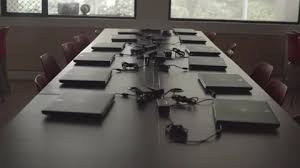
From 2013-2015 a Haitian school computer lab ran using limited solar power. Our -lessons learned- became the Best Practices for running a solar powered school computer lab.
Background: A church school had a small solar power installation. We wanted to use “some” of this solar power to run a proposed computer lab. To prove this was feasible, Computers4Haiti researched the power needs of different types of computers, each executing different instruction sets under different load conditions. The findings and recommendations are captured in the 2012 Computers4Haiti Preliminary Feasibility Study.
Based on these findings, US sponsors of computer labs moved to bring only laptops (no desktops) to Haiti. And as Apple computers took significantly more power, they were likewise eliminated from our efforts. The focus became durable corporate laptops like Dell and HP. A minimal RAM configuration was also defined (which increased over time).
Sizing the amount of solar power needed to run a computer lab turned out to be tricky, but not for the reasons one might think. Technically, once a computer lab had “started up”, the ongoing transactional (power) needs of a student computer were very low. Yes, different computer instructions or activities require varying amounts of power- but averaged over a classroom of students learning basic skills- very little power is needed. The power needed to support the computer lab averaged to be- essentially- a maximum number of at-rest computers. The only “computer activity” really needing power was the “Startup Computer”.
So going forward, a computer teacher, or a US donor, can estimate the average power needed for a new computer lab by taking the number of computers and multiplying it by the power needed for an “at rest” ten year old Dell “corporate” laptop computer.
However, the difficulty in sizing continues to be in estimating what additional electricity uses the school or students might have. Twenty dead phones, a water cooler, and a small refrigerator…can affect how much energy is left for the computer lab. As electricity needs tend to increase, Computers4Haiti developed Best Practices for Solar Computer Labs, to help ensure the best possible outcomes for our computer labs.

Best Practices
1) Once the sun hits the solar panels – then plug in the cell phones and computers. Best to wait until solar power begins to generate, before drawing down the batteries.
2) Let the laptops charge for 20 minutes. Then turn on the laptops in groups of 4 computers at a time. Why? Starting up a computer takes more power than ongoing classroom work. Let the first group power on, then start another group of 4.
3) If the laptop shows zero battery (find computer battery level on computer) – keep the computer plugged into the power source, but turn off the computer. If you encounter any power problems in the computer lab- unplug the zero battery computer. Why? A laptop with a completely dead (broken) battery asks for many times more power than a working computer.
4) Desktops vs laptops. In a desktop, there are two units asking for power: the monitor and the CPU. Studies conducted by the University of Pennsylvania showed the desktops took 2x the power the laptops needed even during low daily activity. However even more problematic is the desktop’s need for continuous power. In Haiti, it is not unusual for there to be power deviations, drops, or interruptions. For desktops – this means the need for a physical Uninterruptible Power Supply (UPS) device. We found the power needs of UPS devices -servicing just a minimal number of computers- was too great for even for a small generator to run. The UPS devices were abandoned.
5) Projectors. LED projectors are a good solution for solar powered computer labs and even computer labs run by generator. Yes, they still have limitations- but you will not find yourself in the middle of a large presentation with no projector and the computer lab limited by the battery life of older computers.
6) Haiti sun is very strong. Take advantage of this extra solar power by printing documents during the main part of the day.
Laboratwa Odinatè Solè
BECA
Soti nan ane 2013-2015, yon laboratwa òdinatè nan lekòl ayisyen an te fonksyone ak enèji solè ki limite. Leson nou te aprann yo te vin pi bon pratik pou dirije yon laboratwa òdinatè lekòl ki mache ak solè.
Background: Yon lekòl legliz te gen yon ti enstalasyon enèji solè. Nou te vle sèvi ak “kèk” nan enèji solè sa a pou kouri yon laboratwa òdinatè pwopoze. Pou pwouve sa a te posib, Computers4Haiti te fè rechèch sou bezwen pouvwa diferan kalite òdinatè, chak egzekite seri enstriksyon diferan nan kondisyon chaj diferan. Yo jwenn rezilta ak rekòmandasyon yo nan Etid Preliminè Fazabilite 2012 Computers4Haiti.
Dapre rezilta sa yo, sipòtè laboratwa enfòmatik ameriken yo te deplase pou pote sèlman òdinatè pòtab (pa gen okenn òdinatè) ann Ayiti. Epi kòm òdinatè Apple yo te pran siyifikativman plis pouvwa, yo menm tou yo te elimine nan efò nou yo. Konsantre a te vin dirab antrepriz laptops tankou Dell ak HP. Yon konfigirasyon RAM minimòm te defini tou (ki ogmante sou tan).
Dimansyon kantite enèji solè ki nesesè pou kouri yon laboratwa òdinatè te difisil, men se pa pou rezon ki fè yon moun ta ka panse. Teknikman, yon fwa yon laboratwa òdinatè te “kòmanse”, bezwen tranzaksyon kontinyèl (pouvwa) nan yon òdinatè elèv yo te trè ba. Wi, diferan enstriksyon òdinatè oswa aktivite yo mande pou varye kantite pouvwa-men mwayèn sou yon salklas elèv k ap aprann ladrès debaz yo-pa bezwen anpil pouvwa. Pouvwa ki nesesè pou sipòte laboratwa òdinatè a an mwayèn se-esansyèlman- yon kantite maksimòm òdinatè nan rès. Sèl “aktivite òdinatè” ki vrèman bezwen pouvwa se te “Odinatè demaraj”.
Se konsa, ale pi devan, yon pwofesè òdinatè oswa yon donatè ameriken ka estime pouvwa mwayèn ki nesesè pou yon nouvo laboratwa òdinatè lè li pran kantite òdinatè yo epi miltipliye li pa pouvwa ki nesesè pou yon òdinatè pòtab Dell “nan rès” dis ane fin vye granmoun. .
Sepandan, difikilte pou dimensionnement kontinye ap nan estime ki elektrisite adisyonèl itilize lekòl la oswa elèv yo ta ka genyen. Ven telefòn ki mouri, yon glasyè dlo, ak yon ti frijidè… kapab afekte kantite enèji ki rete pou laboratwa òdinatè a. Kòm bezwen elektrisite yo gen tandans ogmante, Computers4Haiti devlope Meyè Pratik pou Laboratwa Enfòmatik Solè, pou ede asire pi bon rezilta posib pou laboratwa òdinatè nou yo.

Meyè Pratik
1) Yon fwa solèy la frape panno solè yo – Lè sa a, ploge nan telefòn selilè yo ak òdinatè.
2) Kite òdinatè pòtab yo chaje pou 20 minit, apresa limen chak òdinatè pòtab (Limen 4 òdinatè alafwa). Demaraj pran plis pouvwa pase travay k ap kontinye nan salklas. Kite yo pouvwa sou, Lè sa a, kòmanse pwochen gwoup la.
3) Si òdinatè pòtab la montre zewo batri (jwenn nivo batri òdinatè a sou òdinatè) – kenbe òdinatè a ploge nan sous pouvwa a, men fèmen òdinatè a. Si w rankontre nenpòt pwoblèm kouran nan laboratwa òdinatè a- debranche òdinatè zewo batri a. Poukisa? Yon òdinatè pòtab ak yon batri konplètman mouri (kase) mande pou anpil fwa plis pouvwa pase yon òdinatè k ap travay.
4) Òdinatè Desktop vs òdinatè pòtab. Nan yon Desktop, gen de inite ki mande pouvwa: monitè a ak CPU a. Etid ki te fèt pa University of Pennsylvania te montre biwo yo te pran 2 fwa pouvwa laptop yo te bezwen menm pandan aktivite ki ba chak jou. Sepandan, menm plis pwoblèm se bezwen Desktop la pou pouvwa kontinyèl. An Ayiti, li pa nòmal pou gen devyasyon kouran, gout, oswa entèripsyon. Pou Bureau – sa vle di bezwen pou yon aparèy fizik Uninterruptible Power Supply (UPS). Nou te jwenn bezwen pouvwa aparèy UPS yo -sèvis jis yon kantite minimòm òdinatè- te twò gwo pou menm pou yon ti dèlko kouri. Aparèy UPS yo te abandone.
5) Pwojektè. Pwojektè ki ap dirije yo se yon bon solisyon pou laboratwa òdinatè ki mache ak solè e menm laboratwa òdinatè kouri pa dèlko. Wi, yo toujou gen limit-men ou p ap jwenn tèt ou nan mitan yon gwo présentation ak pa projecteur Et laboratwa konpitè limite pa lavi batri ansyen òdinatè yo.
6) Solèy Ayiti trè fò. Pran avantaj de enèji solè siplemantè sa a lè w enprime dokiman pandan pati prensipal la nan jounen an.
 Computers4Haiti